Latest Heart Care Articles | Wockhardt Hospitals

ARTICLES ON Heart Care

Latest Articles on Heart Care

Dual Organ Transplant

Some patients benefit from having a combined or β€œdual” organ transplant, meaning they receive a new liver and another new organ during the same surgical procedure. Types of combined organ transplants that are performed with liver transplant: Liver and kidney transplant Liver and heart transplant Liver and intestine transplant Liver and lung transplant If you are suffering from serious illness and multiple organ failure, your transplant team may recommend a combined organ transplant to help restore your quality of life. Patients requiring combined organ transplantation are listed on both organ waiting lists. Waiting time for transplantation will vary depending on the organs you need.Β Post-transplant care is similar to single-organ transplantation in that you will need to take anti-rejection medications for the life of your organs. A simultaneous Kidney Pancreas transplant is an operation to place the kidney and pancreas at the same time in a patient who has kidney failure and also suffers from diabetes, needing very high insulin dose to control sugars. It can be type 1 or burnt-out type 2 diabetes. Type 1 diabetes is an autoimmune disease where a patient’s body attacks and destroys insulin-producing beta cells located in the pancreas. It is typically seen in children and young adults. Type 2 diabetes is what we see commonly in adults. Over some time, these patient’s insulin-producing cells stop making insulin or they are unable to produce enough to meet the body’s demand. Diabetes affects every system in the body. In the eyes, it affects the retina and is the leading cause of blindness. It affects the blood vessels supplying the heart and is a common cause of heart attacks. It accelerates atherosclerosis which is a common cause of strokes/paralysis, heart failure, and kidney failure. Uncontrolled sugars affect the nervous system also. Once the peripheral nervous system is affected, sensation in the hands and feet comes down. Diabetic patients with kidney failure need aΒ kidney transplant to prolong their life. Steroids used as immunosuppression will make treatment of diabetes difficult. Poorly controlled sugars will continue to affect the rest of the body including the transplanted kidney. Performing a pancreas transplant at the same time will eliminate all these problems by optimally controlling sugars. It will not only protect the transplanted kidney from future effects of diabetes but also reverse the effects of diabetes on other systems including peripheral neuropathy and thus protect the limbs.   Liver and intestine transplant An intestinal transplant is a complex procedure that requires the expertise of specialists trained in bowel or multi-visceral transplants. The surgery may take up to 12 hours and involves either an isolated intestinal transplant alone, a combined liver and intestine transplant, or a multi-visceral transplant. Depending on what caused your patient’s intestinal failure and his or her overall medical condition, your doctor will determine which type of transplant best meets your child’s needs. Isolated Intestinal TransplantΒ β€” An isolated intestinal transplant involves removing the diseased portion of the small intestine and replacing it with a healthy small intestine from a donor. This type of transplant is considered for children with complications caused by intestinal failure, who don’t have liver failure. Combined Liver and Intestine Transplant β€” A combined liver and intestine transplant involves removing the diseased liver and intestine and replacing them with a healthy liver and intestine from an organ donor. This type of transplant is considered for patients with intestinal failure and irreversible liver failure. The cause of liver failure in this setting is usually due to complications of intravenous nutrition. This type of transplant is also required in patients with chronic liver disease patients whose abdominal veins carrying blood from the intestine to the liver are completely obliterated. Multivisceral TransplantΒ β€” A multivisceral transplant is rare and may be considered for children who have multiple organ failure, including stomach, pancreas, liver, smallΒ intestine,Β andΒ kidney failure. Intestinal transplant: The patient’s blood vessels are connected to the donor’s blood vessels to establish a blood supply to the transplanted intestine.Β The donor’s intestine is then connected to your patient’s gastrointestinal tract. An ileostomy is then made, which is a surgically created opening through which a portion of the patient’s small bowel, called the ileum, is brought up through the abdominal wall. After the transplant, this new opening on your patient’s abdomen allows body waste to pass directly out of the body and empty into a pouch. The ileostomy also allows the transplant team to assess the health of your child’s transplanted intestine. In time, most patients can have the ileostomy closed. A feeding tube is also placed into the stomach to help the patient transition to an oral diet.

Read More

Heart Valve Surgery: Repair & Replacement

Heart valve surgery and procedures are performed to repair or replace a valve in the heart that is not working properly because of valvular heart disease (also called heart valve disease). Heart valve replacement surgery is open-heart surgery through the breastbone, into the chest. It is a major operation that can last two hours or longer and recovery often takes several weeks. There are newer, less invasive procedures suitable for some types of valvular heart diseases. Why is it Done? In a healthy heart, valves control the flow of blood by making it move in one direction through the heart and the body. The valve can either become stenotic, which means it is narrowed and thus does not allow the blood to flow smoothly from one chamber to another or it starts leaking which hampers the forward flow of blood. If your valve problem is minor, your doctor may monitor your symptoms or treat you with medication. If your condition is more serious, surgery is usually required to repair or replace the valve to prevent any lasting damage to your heart valve and your heart. What is Done? Depending on the problem, there are several different procedures for repairing or replacing valves. 1. Surgical Valve Repair Surgical procedures are generally used for problems with the mitral or tricuspid valves. 2. Commissurotomy It is a treatment for a tight valve. The valve flaps (leaflets) are cut to loosen the valve slightly, allowing blood to pass easily. 3. Annuloplasty It is done for a leaky valve. There is a ring of fibrous tissue at the base of the heart valve called the annulus. To repair an enlarged annulus, sutures are sewn around the ring to make the opening smaller. Or, a ring-like device is attached around the outside of the valve opening to support the valve so it can close more tightly. 4. Valvulotomy It is a procedure to enlarge narrowed heart valves. It can also be done with the help of a balloon. 5. Non-Surgical Valve Repair Percutaneous or catheter-based procedures are done without any incisions in the chest or stopping the heart. Instead, a thin flexible tube called a catheter is inserted into a blood vessel in your groin or arm and then threaded through the blood vessels into your heart. Percutaneous or balloon valvuloplasty/valvotomy is used for stiffened or narrowed (stenosed) pulmonary, mitral, or aortic valves. A balloon tip on the end of the catheter is positioned in the narrowed valve and inflated to enlarge the opening. Percutaneous mitral valve repair methods – such as edge-to-edge repair – can fix a leaky mitral valve in a patient who is considered at high risk for surgery. A catheter holding a clip is inserted into the groin and up into the left side of the heart. The open clip is positioned beyond the leaky valve and then pulled back so it catches the flaps (leaflets) of the mitral valve. Once closed, the clip holds the leaflets together and stops the valve from leaking

Read More

What is a Coronary Artery Bypass Graft?

A coronary artery bypass graft (CABG) is a surgical procedure used to treat coronary heart disease. It diverts blood around narrowed or clogged parts of the major arteries to improve blood flow and oxygen supply to the heart. Why is it Carried Out? Like all organs in the body, the heart needs a constant supply of blood. This is supplied by 2 large blood vessels called the left and right coronary arteries Over time, these arteries can become narrowed and hardened by the build-up of fatty deposits called plaques. Your chances of developing coronary heart disease increase with age, you are also much more likely to be affected if: Coronary heart disease can cause angina, which is chest pain that happens when the supply of oxygen-rich blood to the heart becomes restricted. Another risk associated with coronary heart disease is the possibility of one of the plaques in the coronary artery rupturing (splitting), creating a blood clot. If the blood clot blocks the blood supply to the heart, it can trigger a heart attack. A coronary artery bypass graft may be recommended to reduce your chances of having a heart attack. Procedure for Coronary Artery Bypass Graft A coronary artery bypass graft involves taking a blood vessel from another part of the body (usually the chest, leg, or arm) and attaching it to the coronary artery above and below the narrowed area or blockage. This new blood vessel is known as a graft. The number of grafts needed will depend on how severe your coronary heart disease is and how many of the coronary blood vessels are narrowed. A coronary artery bypass graft is carried out under general anesthetic, which means you’ll be unconscious during the operation. It usually takes between 3 and 6 hours. Recovery After Surgery Most people will need to stay in the hospital for about 6 to 8 days after having a coronary artery bypass graft. Recovery takes time and everyone recovers at slightly different speeds. Generally, you should be able to sit in a chair after 1 day, walk after 3 days, and walk up and down stairs after 5 or 6 days. When you go home, you’ll need to take things easy for a few weeks. You should be able to return to most of your normal activities after about 6 weeks. After Treatment How to Take Care of Your Body After having a coronary artery bypass graft, most people will experience a significant improvement in symptoms such as breathlessness and chest pain, and their heart attack risk will be lowered. But a coronary artery bypass graft isn’t a cure for coronary heart disease. If you don’t make lifestyle changes, such as eating a healthy diet and exercising regularly, your grafted arteries will also eventually become hardened and narrowed.

Read More

A Challenging Journey of a Postman…Towards Recovery

Prashant Yelawande, a 56-year-old postman employed by the central government, presented with multiple health issues requiring medical intervention. Prashant initially reported severe pain in the lower part of his back, accompanied by difficulty in walking. Dr. Behram Pardiwala examined him and detected tenderness in the lumbosacral spine. Despite an orthopedic surgeon’s opinion that there was no significant issue, Dr. Pardiwala suspected an underlying abnormality. An MRI was performed, revealing the presence of pus in the Psoas region. A general surgeon was consulted to drain the collection. Following the drainage procedure, the patient experienced recurring pain below the left shoulder, which was found to be due to the presence of pus in that area. Dr. Pardiwala suspected an underlying cause for the recurrent infections and ordered further investigation. Comprehensive evaluation revealed that the patient’s tricuspid valve was infected, leading to bacterial endocarditis. The infected tricuspid valve was identified as the source of the recurrent infections and abscesses. Sharing his experience Dr. Behram Pardiwala, Internal Medicine, Wockhardt Hospitals, Mumbai Central mentioned, β€œAlthough the surgeon suspected tuberculosis as the possible cause, I insisted on further investigation to determine the source of infection. Upon comprehensive evaluation, it was discovered that the patient’s tricuspid valve was infected. As a result, emboli were being released from the infected valve, leading to the formation of abscesses throughout the body. Once the infected tricuspid valve was identified, it was diagnosed as bacterial endocarditis (Infection of a heart valve).” Antibiotics were initially administered to address the infection in the tricuspid valve. However, despite antibiotic treatment, the infection persisted. Dr. Gulshan Rohra, a cardiac surgeon, was consulted, and it was determined that the patient also had coronary artery disease. Surgical intervention was planned to address both conditions. Surgical procedures performed by Dr. Gulshan Rohra: Dr. Gulshan Rohra, Cardiothoracic Surgeon, Wockhardt Hospitals, Mumbai Central, who operated the patient, said, “Through a comprehensive surgical approach, including removal of the infective mass, tricuspid valve replacement, atrial septal closure, and coronary artery bypass grafting, we were able to successfully address the complex health issues faced by Mr. Prashant Yelawande. The patient’s remarkable recovery and restoration of mobility are a testament to the effectiveness of the surgical interventions. Our collaborative efforts aimed at providing the best possible care and achieving a positive outcome for the patient.” The patient’s surgery and postoperative period were uneventful. He was able to mobilize within the first 48 hours after surgery. Following the completion of the prescribed course of antibiotics, Prashant was discharged from the hospital after a 45-day stay. He made a remarkable recovery, regaining full mobility and being able to walk and engage in regular activities without any limitations. Due to the extensive damage caused by the infection to the heart, it is anticipated that the patient may require a pacemaker in the near future. Further evaluation and planning will be done to address this potential need. Through the collaborative efforts of Dr. Behram Pardiwala and Dr. Gulshan Rohra, Prashant Yelawande’s complex health issues were successfully addressed. The timely diagnosis and appropriate surgical interventions resulted in a positive outcome, allowing the patient to regain his health and normal daily activities. On-going medical care and future considerations will be crucial to ensure his continued well-being.             β€œI faced mountains of challenges, but with unwavering determination and the support of an exceptional medical team of Wockhardt Hospitals, I conquered my complex health issues. My journey has taught me that resilience knows no bounds, and healing is possible against all odds.”

Read More

Stroke While Exercising: Neurologist Wants People To Remember These 4 Things

Recently, there were many reports about people suffering from a stroke while exercising in the gym. Doctors have also reported a sudden spurt in the number of stroke cases this winter. Did you know that there is a strong connection between winter and brain strokes? β€œCold weather constricts the blood vessels, which can increase blood pressure – a major risk factor for stroke. However, blood tends to thicken and become stickier during extreme cold, which makes it easier to clot. Most strokes are due to blood clotting, which blocks a blood vessel to the brain. Our bodies’ reaction to cold weather tends to put added stress on the heart as we β€œclamp down” to preserve heat and energy,” explains Dr. Pavan Pai, Interventional Neurologist, Wockhardt Hospitals, Mira Road. Dr. Pai wants people to know about these 4 important things about an Ischemic Stroke: Symptoms of Ischemic Stroke Dr. Pai cites the case of one of his patients, a 56-year-old woman who suffered from an Ischemic Stroke while exercising in the gym in the morning. She suddenly developed right-side body weakness, and drowsiness, and then became unconscious. When she was brought to the emergency ward, she had complete weakness in the right side of her body, couldn’t speak, and was drowsy, says Dr. Pai. What To Do If You or Someone Suffers Stroke? β€œB.E.F.A.S.T (Balance Loss, Eyesight Blurring or Loss, Facial drooping, Arm weakness, Speech difficulties, and Time) and seek treatment within the golden hour of the stroke to recover without any complications,” says Dr. Pai. Know The Golden Hour of Stroke The first hour or the 60 minutes after the onset of stroke symptoms is referred to as the β€œgolden hour” for stroke patients as they have a high chance of survival. Treatment within a window period of 4.5 hours right after experiencing symptoms of stroke (golden period) leads to better outcomes. Treatment of Ischemic Stroke The woman Dr. Pai mentioned above was brought to the hospital during the golden period. Her MRI brain showed an Ischemic Stroke with complete occlusion of a medium-sized artery. She was first given a clot buster injection and later taken up for mechanical thrombectomy. Mechanical Thrombectomy is done to unclog the blocked artery and restore the blood supply. It is a life-saving procedure and can help stroke patients improve their quality of life, adds Dr. Pai. She was discharged after 6 days and has now resumed her daily routine. Dr Pavan PaiInterventional NeurologistWockhardt Hospitals, Mira Road To book an appointment call: +918108101104 Source: https://www.thehealthsite.com/photo-gallery/stroke-while-exercising-neurologist-wants-people-to-remember-these-4-things-953979/treatment-of-ischemic-stroke-953984/

Read More
heart attack

Why Heart Attacks Are Increasing in India?

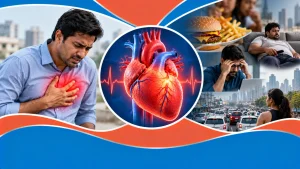
A cardiologist explains the reasons behind the increased heart attack cases among young people. He also suggests a few tests to check whether your heart is functioning properly. Incidences of heart attack in India are rising among younger people. Many young people have died of heart attacks since the COVID-19 outbreak. A hospital in Mumbai has reported that heart attack cases in its emergency ward have gone up by 15 to 20 percent in the past 2 months. Concerningly, it is mainly affecting the younger generation, starting from around 25 years of age. Dr. Ravi Gupta, Consultant Cardiologist at Wockhardt Hospitals, Mumbai Central, cited diabetes, a sedentary lifestyle, air pollution, stress, heavy workouts and steroid use as factors contributing to the rising number of heart attacks in young people. According to him, Indians are genetically prone to heart attacks, and the adoption of a western lifestyle has increased the risk further. Why Shouldn’t You Ignore Chest Pain? Recently, a 28-year-old patient was diagnosed with a heart attack at the emergency ward of Wockhardt Hospitals, Mumbai Central. Before he was brought to the emergency room, he had complained of chest pain radiating to the left arm. According to Dr. Ravi Gupta, he had been under stress for the previous 3 to 4 days, which led to a myocardial infarction. An ECG revealed an anterior wall myocardial infarction, and he was taken for a coronary angiography on the same day he was admitted. The angiography showed that the biggest artery, the LAD, was 100 percent blocked by a clot. The clot was removed and a stent was placed. The patient is stable, has recovered, and was discharged last week, the doctor said. It’s a good reminder that a heart attack doesn’t wait for a convenient age. Stress, poor sleep and a packed schedule can quietly add up, and chest pain in a young person should never be brushed off as acidity or a pulled muscle. What Does a Heart Attack Feel Like? Most people picture a dramatic scene, but the real thing can be quieter. Common signs of a cardiac attack include: Pressure, tightness or heaviness in the center of the chest Pain that spreads to the left arm, shoulder, neck, jaw or back Shortness of breath, with or without chest discomfort Cold sweats, nausea or lightheadedness Unusual tiredness or a sense of doom Symptoms can differ between people, and women, older adults and people with diabetes may have milder or less typical signs. If you suspect a heart attack, don’t drive yourself. Call for emergency help and get to a hospital right away, because every minute counts. Can a Heart Attack Be Silent? Four Signs That Are Easy to Miss Some heart attacks barely announce themselves. The symptoms are subtle, and they’re often put down to something else entirely. 1. Chest discomfort that doesn’t feel like pain In a quiet heart attack the pain can be minimal or missing altogether. What people describe is more like tightness, a squeezing feeling, or a vague unease in the middle of the chest, and because it comes and goes it’s very easy to wave away. It rarely looks like the crushing pain people expect. 2. Breathlessness for no clear reason Feeling winded while sitting still, or after climbing just a few stairs, can be a warning. Some patients also feel confused or disoriented. Most people blame a chest infection or plain tiredness, and that’s how the hours slip by. 3. Nausea or vomiting with no stomach cause If you haven’t eaten anything odd and still feel sick, don’t assume it’s a stomach bug. Heart attacks are sometimes mistaken for gastric trouble or a viral illness, especially in women and people with diabetes. 4. A cold sweat out of nowhere Breaking into a sweat when you haven’t exerted yourself, and when the room isn’t warm, deserves attention. It’s easy to blame the weather, but a sudden clammy sweat can be a sign that the heart is struggling. So What’s Behind the Heart Attack Reason in India? Doctors keep pointing to two big things: a sedentary lifestyle and poor nutrition. Young people living modern, desk-bound lives are hit hardest, and the list below shows how the pieces add up. Food choices. Fast food, packaged snacks and sugary drinks are everywhere now, and a diet built on them pushes up weight and cholesterol. Too little movement. Long hours at a desk and no real exercise are linked with coronary artery disease (CAD). Tobacco. Cigarettes, beedis and chewing tobacco all raise the odds, and plenty of people don’t count the smokeless kind. Stress and anxiety. Deadlines, long commutes and money worries keep the body on high alert for years. Family history. If a parent or sibling had heart disease early, your own risk is higher. Diabetes. When the body can’t make enough insulin, or can’t use it properly, sugar builds up in the blood and the arteries pay for it. High blood pressure. It’s very common, it often has no symptoms, and it’s closely tied to what and how we live. Delayed care. When people can’t get quick, decent medical help, small heart problems turn into big ones. Heart Attack or Cardiac Arrest, Is There a Difference? Yes, even though many people mix them up. A heart attack (some call it a cardiac attack) happens when a blocked artery cuts off blood to part of the heart muscle. Cardiac arrest is when the heart suddenly stops beating properly, usually because of an electrical fault. One can lead to the other, which is exactly why fast treatment matters. How Can You Lower Your Risk of a Heart Attack? You can’t change your genes, but a lot is in your hands. Here’s what actually helps: Healthy diet. Eat less saturated and trans fat, less salt, and fewer refined sugars. Healthy weight. Carrying extra kilos makes the heart work harder every single day. Regular exercise. Moving most days brings cholesterol down, keeps blood flowing well and helps keep blood pressure

Read More

Diabetes And Heart Health: How High Blood Sugar Affects Your Heart

If you have diabetes, it is very important to keep your blood glucose levels under control to avoid complications. Over time, elevated levels of blood glucose levels can cause damage to many major organs, including the heart, blood vessels, nerves, eyes, and kidneys, increasing the risk of other serious health conditions. Here, Dr. Gulshan Rohra, Consultant Cardiac Surgeon, Wockhardt Hospital, Mumbai Central, sheds light on the major complications of diabetes and how these can prevent or delay. He also elaborates on how diabetes increases the risk of heart disease. Read on: Understand Diabetes Diabetes: high blood sugar due to insulin issues. Pancreas secretes insulin to process glucose. There Are 3 Most Common Types of Diabetes: Type 1 Diabetes (Juvenile Diabetes): Has no cure. Almost always requires regular insulin. Type 2 Diabetes: This may happen to adults or children. Usually seen in obese individuals. Depending on sugar levels, it could be managed with just dietary changes Medications, or both. Gestational Diabetes:  Diabetes during Pregnancy can affect both mother and the fetus. It can lead to developmental defects, early delivery, heavy baby, and baby with diabetes. Pre-diabetes is when blood sugars are high but not high enough to be called diabetes. It is a risk factor for type 2 diabetes and other related complications. Diabetes and Heart Health: Know the Connection High Glucose in diabetes can affect the blood vessels and nerves. Over time this involves the heart, eyes, and kidneys. Diabetes doubles or even triples the risk of heart attacks and other major cardiovascular events. Nerve damage and reduced blood flow can lead to retinopathy, kidney failure, ulcers & infection. Hypertension and high cholesterol along with diabetes can make things even worse. Eventually, it increases the chances of Coronary artery disease: Blockage of arteries in the heart with cholesterol deposits and it may cause heart attacks. This is the most common heart problem in the world. Heart Failure: Failure of the heart to pump sufficient blood to the body. Cardiomyopathy: Problems of heart muscles. Today, millions of people across the globe have diabetes and the numbers are increasing rapidly. It could be genetic (family history of diabetes) or it could be because of unhealthy lifestyle choices like unhealthy diet, smoking, and/or alcohol. Very recently, we operated on a young man. He is a 32-yr-old young male, with a history of a sedentary lifestyle and unhealthy food choices, presented with intermittent chest pains on walking uphill. His TMT came back positive for inducible ischemia. On further investigation, he was diagnosed as a Type II diabetic with coronary artery disease on an angiogram. He underwent total arterial bypass surgery and is doing well. Ways to Prevent or Delay Diabetes Complications The first and foremost step to reducing complications is early diagnosis and awareness. Consult an expert and talk about the different ways to reach a diagnosis. There are effective and affordable tests to diagnosing diabetes surgery. Secondly, adopt a healthy lifestyle which includes healthy food, smoking cessation, regular exercise, and weight loss, and following your doctor’s advice regarding prescribed medications. It could be pills or insulin injections. What is best for you, depends on blood sugar levels. Always consult your physician and let them help you guide you about the best therapy for you. Be aware of your target blood sugar levels, what to do if your blood sugar levels get low or high, the side effects of the diabetes medications you are taking, and the interactions of your diabetes medications with the other medications you take. Regularly check your blood glucose levels. Dr. Gulshan RohraConsultant Cardiac SurgeonWockhardt Hospitals To book an appointment call: +918291101001 Source: https://www.thehealthsite.com/diseases-conditions/diabetes/diabetes-and-heart-health-how-high-blood-sugar-affect-your-heart-925969/

Read More

61 Percent People Unaware of Warning Signs of Stroke

The survey revealed that though 64.4 percent of people are aware of the treatment of stroke during the window period (4.5 hours of the first stroke), around 61 per cent of people don’t know the warning signs of stroke that is the concept of BEFAST. Those with these red flags should be taken to a stroke-ready hospital where expert stroke care is available 24/7: Dr Pavan Pai Mumbai: Wockhardt Hospitals, Mira Road conducted a survey that revealed alarming facts regarding stroke. Around 61 percent of people don’t know the warning signs of stroke which is the concept of BEFAST (balance loss, eyesight blurring or loss, facial drooping, arm weakness, speech difficulties, and time). There is a lack of awareness regarding stroke in the general population. But, treatment within the golden hour of stroke can save many lives. To address the needs of stroke patients and help them to recognize the warning signs of stroke, Wockhardt Hospitals, Mira Road has taken an initiative. The hospital has launched a stroke support group to provide comprehensive and holistic treatment. A stroke happens due to a decrease or blockage in the brain’s blood supply. It can happen to anyone at any time. There is extremely low awareness regarding this life-threatening condition. Time is BRAIN when it comes to a stroke. In view of it, the hospital conducted a stroke survey to know the common concerns of people. Dr. Pavan Pai, Consultant Interventional Neurologist, and Stroke Specialist, Wockhardt Hospitals, Mira Road said, β€œThe survey revealed that though 64.4 percent of people are aware of the treatment of stroke during the window period (4.5 hours of the first stroke), around 61 percent of people don’t know the warning signs of stroke that is the concept of BEFAST. Those with these red flags should be taken to a stroke-ready hospital where expert stroke care is available 24/7. The survey also revealed that 65.4 percent of people know that stroke can be reversed if the patient is taken to a hospital that has facilities to manage it. People have started knowing the importance of their health and 95.2 percent of people feel that full health checkup should be done once a year. Moreover, around 82.7 percent of people do their annual health check-ups every year. The male-to-female ratio was 3:1, and around 200 participants were part of this survey. We launched the support group to help stroke patients to improve their outcomes and a committed team of doctors, nurses, and paramedical staff to provide support round-the-clock care and ensure a faster recovery. Meticulous patient monitoring will be done with advanced equipment and a multidisciplinary team treatment approach.” Dr. Pavan PaiConsultant Interventional Neurologist and Stroke SpecialistWockhardt Hospitals, Mira Road To book an appointment call: +918108101104 Source: https://health.economictimes.indiatimes.com/news/diagnostics/61-per-cent-people-unaware-of-warning-signs-of-stroke/92716612

Read More

Rheumatic Heart Disease: A Growing Concern for Pregnant Women

In overcrowded, poor conditions, rheumatic fever primarily afflicts children & adolescents, posing a significant risk for pregnant women’s perinatal maternal mortality & morbidity. Cardiovascular diseases are the deadliest group of conditions in the world claiming a maximum number of lives globally every year.Β Rheumatic heart diseaseΒ is another condition wherein the heart valves suffer permanent damage due toΒ rheumatic fever. The damage in this condition may start after an untreated or under-treated streptococcalΒ infectionΒ like scarlet fever or strep throat. But that’s not the worst part – the condition can begin with something as basic as aΒ sore throatΒ from the Streptococcus pyogenes bacterium. Common in childhood, these infections can transmit easily from person to person as part of upper respiratory tract infections. Rheumatic fever affects children and adolescents the most in overcrowded places with poor conditions. It is seen as the principal heart disease affecting pregnant women raising the risk of perinatal, maternal mortality, and morbidity. To learn more about the same, Times Now Digital connected with Dr. Ankur Phatarpekar, Interventional Cardiologist at Wockhardt Hospitals. The expert spoke about RHD and its possible risk factors. β€œRHD is a disease that affects the heart, brain, skin, and joints. The antibodies which your immune system produces against GABHS act against these body parts. In the heart, it affects the valves and is a common cause of breathlessness in young people. Overcrowding, poverty, poor access to medical facilities, and poor nutrition contribute to its transmission. Once the valves are affected, it requires a protracted course of antibiotics for a three-week period to prevent the infection and its progression,” he explained. Consultant Cardiologist at Wockhardt Hospital, spoke about the condition’s connection with a sore throat. β€œRheumatic heart disease was a very prevalent condition earlier; however, the cases are now dipping in India. It starts with an immune response to the bacteria causing sore throat – streptococcus. Usually, it occurs at a young age and its primary symptom remains recurrent sore throat infections. It can lead to acute rheumatic fever which has a role to play in heart, joints, and brain health. Early recognition can prevent/delay valve deterioration. The role of long-term penicillin prophylaxis is well established and has saved millions of lives worldwide,” Dr. Gupta concluded. Dr. Ankur PhatarpekarInterventional CardiologistWockhardt Hospitals, Mumbai Central To book an appointment call: +918291101001 Source: https://www.timesnownews.com/health/never-overlook-a-sore-throat-study-says-it-could-be-the-first-symptom-of-deadly-heart-disease-article-92517235

Read More
gas pain in chest

Gas Pain in Chest: Home Remedies for Gas Pain in Chest

Experiencing gas pain in the chest can be troublesome. Here’s why gastric issues cause chest pain and how to get rid of it. Have you ever felt a sharp pain in your chest and thought you were having a heart attack? Chest pain, ladies, is not always the symptom of a heart attack. In fact, chest pain due to gas is far more common than most people realise. It is still possible to experience it if you have gas and acidity. Gas pain in chest is usually not a cause for alarm. However, the discomfort and pressure it exerts can make your situation uncomfortable and painful. To know more about gas chest pain and its cause, please consultΒ  Dr. Mrudul Dharod, a Gastroenterologist from Wockhardt Hospitals, Mira Road. What Does Gas Pain in Chest Actually Feel Like?A burning sensation combined with general unease is one of the clearest signs that gas is behind your chest discomfort. And it rarely stays confined to one spot; the feeling can travel downward into the abdomen too. Here are the signs worth paying attention to: Sudden Sharp Or Stabbing PainWhen gas gets trapped in the chest region, it often makes itself known through quick, sharp jabs that come out of nowhere and catch you completely off guard. That Heavy, Bloated FeelingMany say it feels like a thick, full feeling in the chest, building up with tightness or pressure, which makes breathing or moving a little more difficult. Burping More Than UsualExcessive belching is really your body doing what it is designed to do, releasing built-up gas naturally, and it usually brings a bit of temporary relief once it happens. A Tight, Squeezed Feeling In The ChestThe pressure gas creates can feel remarkably similar to the tightness people associate with indigestion, and that overlap is exactly why it sometimes gets mistaken for something more serious. Frequent BelchingBurping more than usual is your body’s built-in release valve; it is simply how the system works to push out trapped gas and offer some short-term relief. Tightness Across The ChestThe pressure created by trapped gas can mimic the tight, squeezed feeling associated with indigestion, which is exactly why it sometimes gets confused with more serious chest pain. Symptoms Getting Worse After MealsGas-related discomfort tends to flare up after eating, particularly when the meal includes foods that are known to produce more gas than usual. Where is the Gas Chest Pain Located? Knowing the gas chest pain location helps you make sense of what you’re feeling. Gas that gathers in the stomach, small intestine, or colon pushes upward, so the discomfort is often felt in the centre of the chest, and it can easily be mistaken for something more serious. Understanding the gas chest pain location is often the first step to staying calm. Many people also notice left side chest pain, since the colon bends sharply upward on the left just under the ribs. Trapped gas in that bend can send an ache to the left side of the chest, which is exactly why chest pain due to gas is so often confused with heart trouble. If your left side chest pain eases after a burp or passing wind, gas is the likely cause. What’s the Difference Between Heart Pain and Gas Pain in Chest? It’s critical to distinguish between heart pain and gas pain in chest to provide the right care and prompt medical attention. Here are some of the main indicators that will help you distinguish between the two: What To Look At Heart Pain Gas Pain Nature of pain A squeezing, heavy pressure sitting on the chest, sometimes spreading to the arms, neck, jaw, back, or even the stomach Sharp, sudden jabs or cramping that catches you off guard Duration & Persistence Tends to stick around for several minutes at a stretch, whether you are resting or moving about Comes and goes, often shifting with your posture or movement Associated Symptoms Breathlessness, nausea, unexplained sweating, or a lightheaded, woozy feeling Bloating, burping, and a sense of relief once gas passes Triggers and Timing Physical exertion, stress, or anything that puts strain on the heart Certain foods, eating too fast, swallowing air, usually showing up after meals   Seeking medical attention as soon as possible is advised if you are not clear whether the pain in your chest is being caused by gas or a heart attack. What Causes Gas Pain in Chest? β€œDr. Dharod says that lactose intolerance, gluten sensitivity, eating too many artificial sweetener-based foods, drinking too many carbonated beverages or colas and sodas, eating a lot of high-fiber foods, and other factors can cause significant gas in the digestive system, mimicking chest pain. The sensation can cause anxiety and even palpitations or panic attacks. Gallstone pain or gallbladder inflammation can occasionally cause similar symptoms. As we said, tightness or pain in the chest is not always indicative of a heart attack, but it is an important indicator of a heart attack. If there’s even a small chance your discomfort is coming from the heart, it’s worth getting checked properly. A trusted heart care team can listen to what you’re feeling, run a few quick tests, and either catch a problem early or reassure you that your heart is fine. The following are chest pain causes that arise due to gas: Food Intolerance Extra gas might result from a dietary intolerance that upsets the digestive system. Two recognised causes of gas accumulation include lactose and gluten intolerances. Sometimes what feels like ordinary bloating is your body flagging an underlying issue. If you are missing certain enzymes, foods containing gluten can trigger an immune reaction, which brings on inflammation and extra gas as a result. Fizzy drinksEvery sip of a carbonated beverage sends carbon dioxide into your system, and that gas does not just disappear. It builds up and can leave you feeling bloated or even bring on chest discomfort. Sodas carry another downside too: their acidity can make acid reflux worse. Too much

Read More

Second Opinion